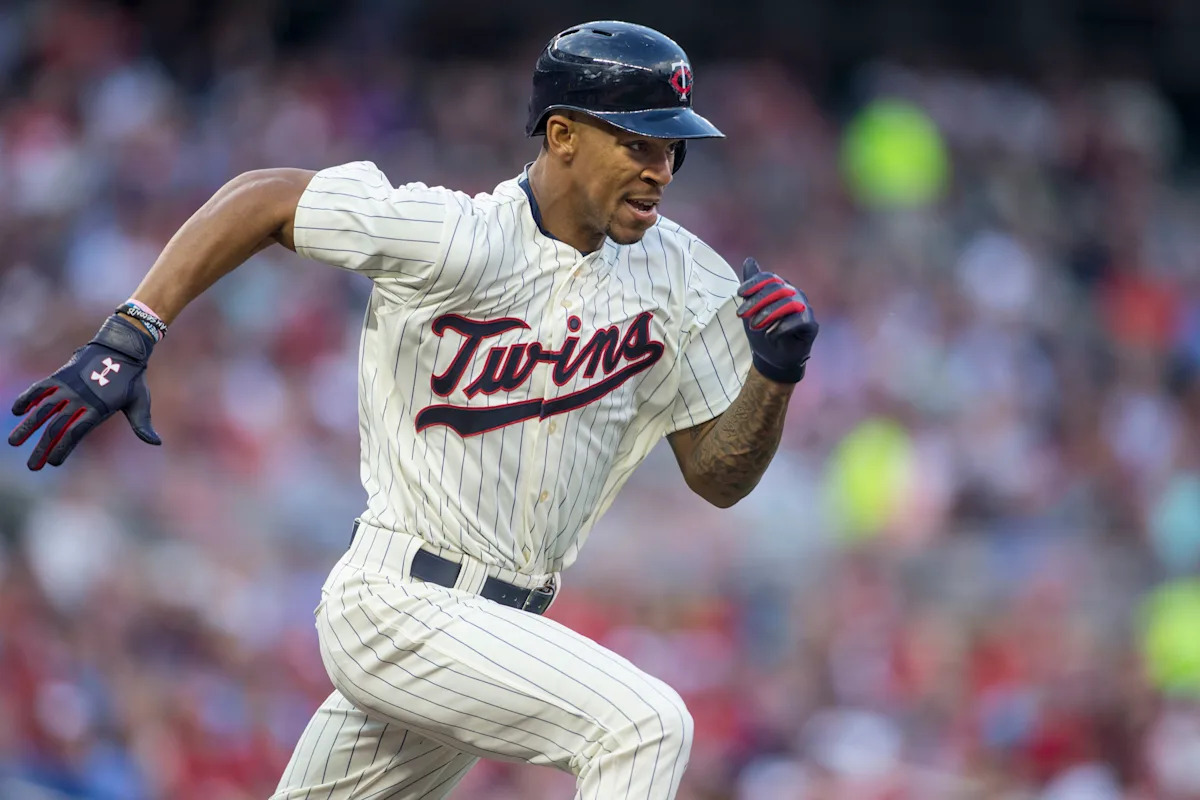
Byron Buxton Updates: Why Specific Readiness Details Are Scarcely Shared
The anticipation surrounding star athletes returning from injury is a constant in the world of professional sports. Fans eagerly await news, dissect every snippet of information, and speculate on timelines. For a player like Byron Buxton, whose explosive talent is often juxtaposed with a challenging injury history, the question of "Is Byron Buxton ready?" becomes particularly resonant. Yet, concrete, highly specific updates on his readiness are frequently scarce, leaving fans and fantasy managers alike searching for clarity. This phenomenon isn't unique to Buxton, but his specific context highlights a broader trend in professional sports where detailed injury and readiness information is intentionally vague. This article will delve into the multifaceted reasons behind this scarcity, offering insights into the complex interplay of medical privacy, competitive strategy, and player management that shapes what the public learns.
The Labyrinth of Player Recovery: Why Information Is Guarded
Understanding why specifics about a player's readiness are often hard to come by requires looking beyond just the athlete themselves. Several institutional and ethical factors contribute to the guarded nature of these updates.
Medical Confidentiality and HIPAA Regulations
At the forefront of information control is the fundamental right to medical privacy. In the United States, the Health Insurance Portability and Accountability Act (HIPAA) ensures that individuals' medical information remains confidential. While professional athletes often sign waivers allowing teams to disclose certain details, the *extent* of that disclosure is carefully managed. Teams and players typically agree to broad statements about an injury (e.g., "knee inflammation" or "hamstring strain") and a general recovery timeline (e.g., "day-to-day," "10-day IL," "season-ending"). Highly specific details about a player's exact pain levels, range of motion, or nuanced rehabilitation progress are almost always kept private. This protects the player's personal health information and respects their autonomy, even amidst intense public scrutiny.
Competitive Advantage and Strategic Planning
Another significant reason for the lack of detailed updates revolves around competitive strategy. Knowing the precise health status and expected return date of a star like Byron Buxton could provide opposing teams with a tactical advantage. If an opponent knows a player is struggling with a specific physical limitation, they might tailor their game plan accordingly. Keeping readiness details vague forces rivals to prepare for all contingencies, rather than focusing on a known weakness. Furthermore, teams often make roster decisions, trade considerations, and game-day strategies based on player availability. Revealing too much information too soon could undermine these strategic maneuvers, impacting the team's overall performance and playoff aspirations.
Fluid Timelines and Managing Expectations
Recovery from injury is rarely a linear process. What might initially seem like a straightforward timeline can quickly change due to unforeseen setbacks, slower-than-expected progress, or the need for additional rest. Teams are acutely aware of the potential for public backlash and frustration if they provide optimistic return dates that are subsequently pushed back. By issuing vague updates or simply stating a player is "making progress," organizations aim to manage fan and media expectations. This cautious approach prevents the creation of premature hype that could deflate if the player's return is delayed, and it allows the athlete the necessary time to heal fully without external pressure to rush back. This is particularly relevant for a player like Buxton, whose past has shown the complexities of his physical readiness.
Byron Buxton's Unique Context: A History of Hope and Setbacks
Byron Buxton's career is a testament to immense talent marred by persistent injury. His electrifying speed, Gold Glove defense, and burgeoning power make him a game-changer when healthy, but a series of diverse ailments has often kept him off the field. This history intensifies the scrutiny around his readiness. Fans, having witnessed his flashes of brilliance and subsequent stints on the Injured List, are understandably anxious for definitive news. The frequent questions about whether Byron Buxton is truly ready stem from a desire to see him consistently perform at his peak.
This unique context means that the team and Buxton himself are likely even more conservative with information. They want to ensure that when he *does* return, he is genuinely and sustainably healthy, rather than rushing him back only to face another setback. The long-term health and career longevity of a player of his caliber are paramount, overriding the immediate demand for minute-by-minute updates. His value to the franchise is immense, and protecting that asset means prioritizing a complete recovery over satisfying media curiosity.
Decoding the Scanty Updates: What to Look For
Given the deliberate scarcity of specific readiness details, how can fans and analysts glean meaningful insights into a player's status? While direct medical reports are unlikely, certain indicators can provide clues.
Official Statements vs. Speculation
Always prioritize official statements from the team or credible beat reporters directly quoting team personnel (manager, general manager, medical staff). These statements, even if vague, are the most reliable. Be wary of pure speculation from less reputable sources or social media, which can often spread misinformation. For those seeking a deeper dive into the difficulties of obtaining concrete information, our article
Byron Buxton Ready: Uncovering the Missing Article Content explores why such details are often elusive.
On-Field Activity and Practice Reports
The most tangible sign of progress is often observable on-field activity. Look for reports indicating a player's participation in:
- Light drills: This is an early step, signaling basic mobility.
- Batting practice or throwing sessions: Indicates a return to sport-specific movements.
- Live batting practice against teammates: A significant hurdle cleared, showing readiness for competitive situations.
- Rehab assignments in the minor leagues: This is typically the final stage before activation, allowing a player to regain timing and conditioning in a game environment without immediate major league pressure. For Buxton, this would be a strong indicator of him being truly byron buxton ready for the big leagues.
Absence from these activities, or reports of only limited participation, conversely suggests a player is still far from being activated.
Manager and Coach Quotes
While often couched in cautious language, quotes from managers and coaches can offer subtle cues. Phrases like "he's feeling good," "making excellent progress," or "he's getting closer" are positive, even if non-specific. Conversely, comments about "still feeling it," "needs more time," or a focus on "taking it slow" suggest a longer road ahead. These individuals are privy to daily observations and medical consultations, even if they can't disclose the specifics.
Beat Reporters and Local Coverage
Reputable local beat reporters who cover the team daily often have the best access to informal observations and off-the-record insights. While they won't breach medical confidentiality, they can report on a player's demeanor, how they're moving during practice, and any informal updates from the coaching staff. Following these journalists on social media and reading their regular reports can provide a more nuanced picture than official team press releases alone. To ensure you're getting the most reliable information, consider consulting
Where to Find Byron Buxton 'Ready' News: Beyond Irrelevant Sources.
The Fan's Perspective: Patience and Perspective
For fans eagerly awaiting Byron Buxton's full return, the scarcity of specific readiness details can be frustrating. However, adopting a patient and understanding perspective is crucial. Remember that the ultimate goal for the team and the player is a complete and sustained return to health. Rushing a player back prematurely can lead to re-injury, prolonging their absence and potentially jeopardizing their long-term career.
While the desire to see a talent like Buxton electrify the field is strong, prioritizing his well-being ensures that when he does step back onto the field, he is truly
byron buxton ready to perform at his peak. Trusting the medical professionals and team management to make the best decisions for the player's health, even if it means less immediate transparency, is a necessary part of being a supportive fan.
In conclusion, the scarcity of highly specific details regarding Byron Buxton's readiness, and indeed that of many professional athletes, is a deliberate outcome of several intertwined factors: medical privacy, strategic competitive considerations, and the complex, unpredictable nature of injury recovery. By understanding these dynamics and focusing on observable progress and official, reputable updates, fans can better navigate the often-vague landscape of player injury news while eagerly anticipating the healthy return of their favorite stars. The hope remains that when Byron Buxton is truly ready, he will once again showcase the incredible abilities that make him one of the most exciting players in the game.